An Echo of Duration
Reading time: ~2 minutes
Art has opened me. On June 30, 2024, I completed my three-year acting training at filmschool vienna – and a text after Peter Handke became a compass: Duration in the face of impermanence.
In short
From passing by art to being moved
Graduation: June 30, 2024
Handke: Duration is practice, not a gift
My takeaway: Impermanence deepens what remains
How art finally reached me
I learned to let myself be moved – not to hold on.
For years, art slid past me. I had no eye, no ear, no language for it. Study asked for patience and presence; slowly my senses woke. It’s never too late to learn a new way of seeing.
The closing – why it matters
A clear cut. A new gaze. More presence.
On June 30, 2024 I finished my training. What remains is not perfection, but a practice: showing up with body, voice, breath.
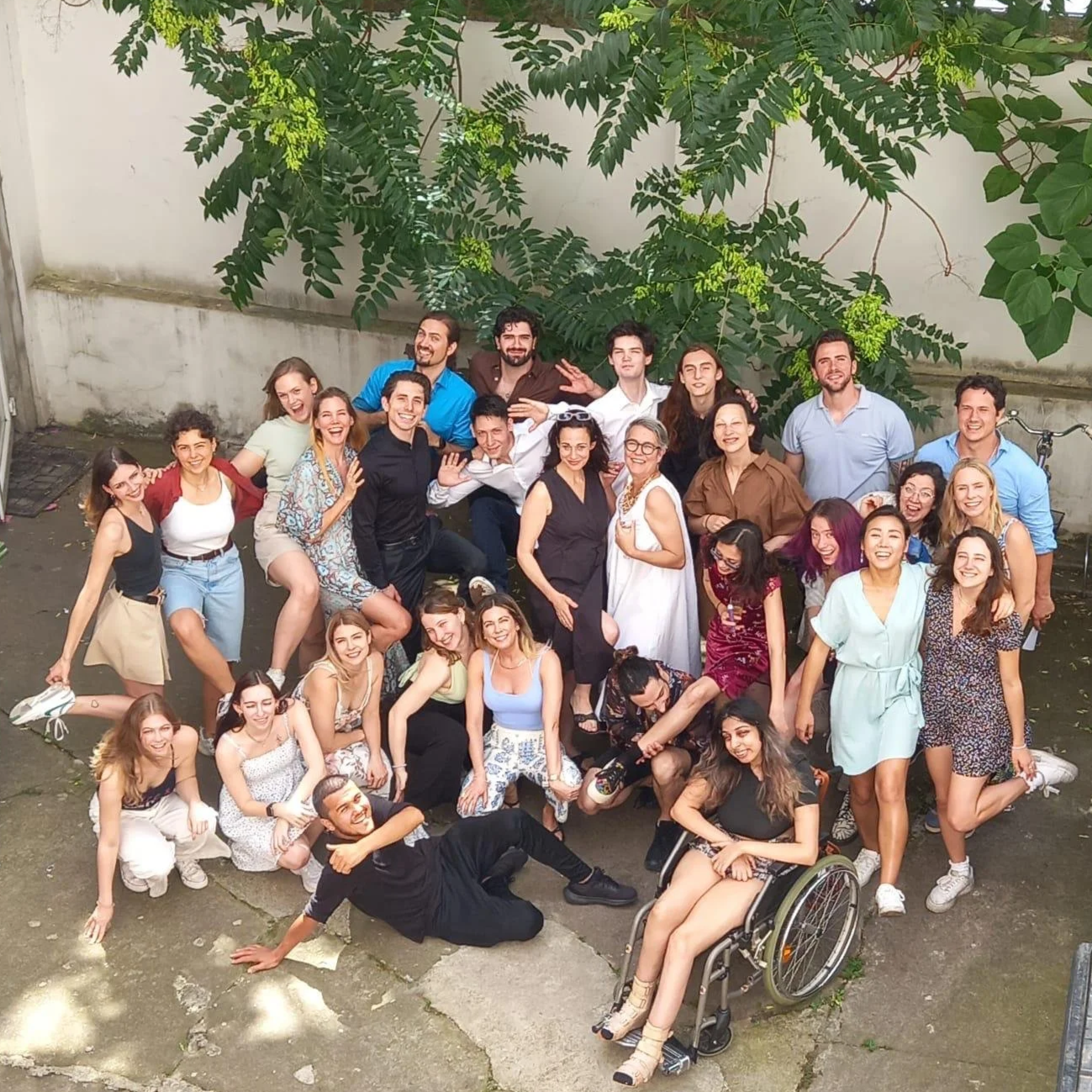
“Closing day at filmschool vienna – last day, first step”
Why Handke now
Duration as exercise: attainable, not begged for.
At our graduation we received the following text. For this piece, it says exactly what I’ve lived.
An die Dauer
An die Dauer, als sei sie ein Lebewesen, etwas Leibhaftiges, als sei mit ihr zu reden.
Was ist Dauer? Was war sie? Denn sie gründet auf Vergangenem, entsteht, da sich »das flüchtigste aller Gefühle« verflüchtigt hat, in der Gegenwart und wird zur vollendeten Zukunft.
Der Wunsch nach Dauer ist ein Exerzitium, eine geistige und körperliche Übung. Die Dauer ist kein zu erbittendes, zu erbetendes Geschenk, sie ist das Ergebnis, ein Zustand, der sich erreichen läßt.
Der Wunsch nach Dauer heißt nichts anderes, als das zu beanspruchen, worauf der Mensch seit der ›Vertreibung‹ keinen Anspruch mehr hat. Ein dialektisches Verfahren: In der Vergänglichkeit, der Nichthaltbarkeit erkennen, was unvergänglich, was haltbar ist, und dies aufzuheben in einem Kunstwerk – diesem Synonym für eine irdische Ewigkeit.
(nach Peter Handke)
Duration & impermanence – my view
Duration isn’t possession; it arises when I fully enter the moment.
Maybe impermanence is what gives these moments depth. It teaches me what truly stays: not control, but experience – the kind that keeps living inside.
When language can’t keep up
Sometimes a text doesn’t land in my mind first – it lands in my body. Like this text from Peter Handke. It hums in the chest, in the skin. I can’t retell it, not yet. What moves is pre-verbal; it rearranges something before it can be named. If I wait, fragments surface: an image, a thought, a glimpse, a sensation. Not everything needs a summary to be true; some things need time.
Optional: A 60-second practice
If the words resonated but you can’t retell them yet, try this:
Write 2–3 words for the feeling (e.g., warmth, contraction, fear, widening, letting go)
Note one image that appears
Notice one body sensation (breath, chest, skin)
Let it sit. Words may come later.
